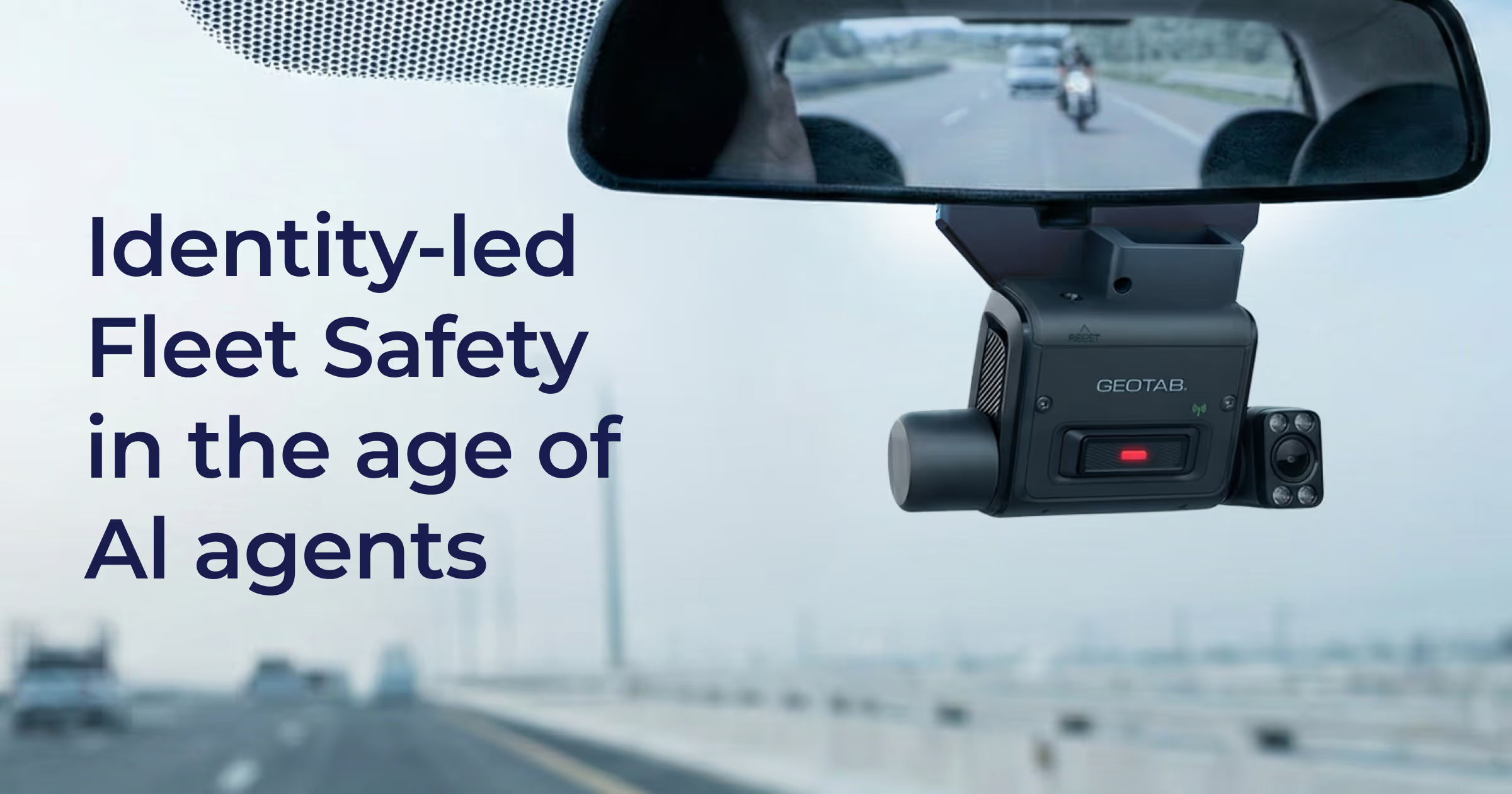
Fleet telematics and camera technology have made safety event capture routine. The harder question is whether those events reach the right person, trigger a governed response, and leave a defensible audit trail. This independent research paper, authored by ABI Research and brought to you by Zetifi, examines the identity-led model that closes that gap: a single continuous record linking identity, event, workflow and outcome.
What you'll learn
Why accurate attribution changes your entire safety program. Safety events are only as useful as the identity attached to them. The research traces how verified driver identity affects coaching quality, compliance defensibility and organisational trust in safety data.
How to connect fleet events to Microsoft 365 workflows. Telematics and safety data flowing into Teams, SharePoint and Power Automate, where events trigger governed workflows with clear ownership and a documented response path.
Why field coverage is the gap most programs have not fully closed. Lone workers, remote sites and radio-dependent environments introduce risk that in-cab tools cannot reach alone. The paper examines the architecture that maintains identity continuity beyond the vehicle and beyond cellular coverage.
About this research
This paper was authored by ABI Research, a leading global technology intelligence firm, and sponsored by Zetifi. Zetifi builds connected fleet technology for Australian fleets and lone workers, combining Geotab telematics and camera technology with Microsoft 365 workflows to turn vehicle and driver safety signals into action, follow-up and evidence where it counts.
Why this matters
42 per cent of workplace fatalities in Australia involve vehicle incidents. Telematics, cameras and connected safety tools generate constant streams of data, but that data lives in vendor portals, separated from the systems the rest of the business runs on. Organisations operating under WHS and Chain of Responsibility obligations need more than event capture. They need a clear, auditable record of what happened, who was responsible and how the organisation responded. This research is about building that connection.