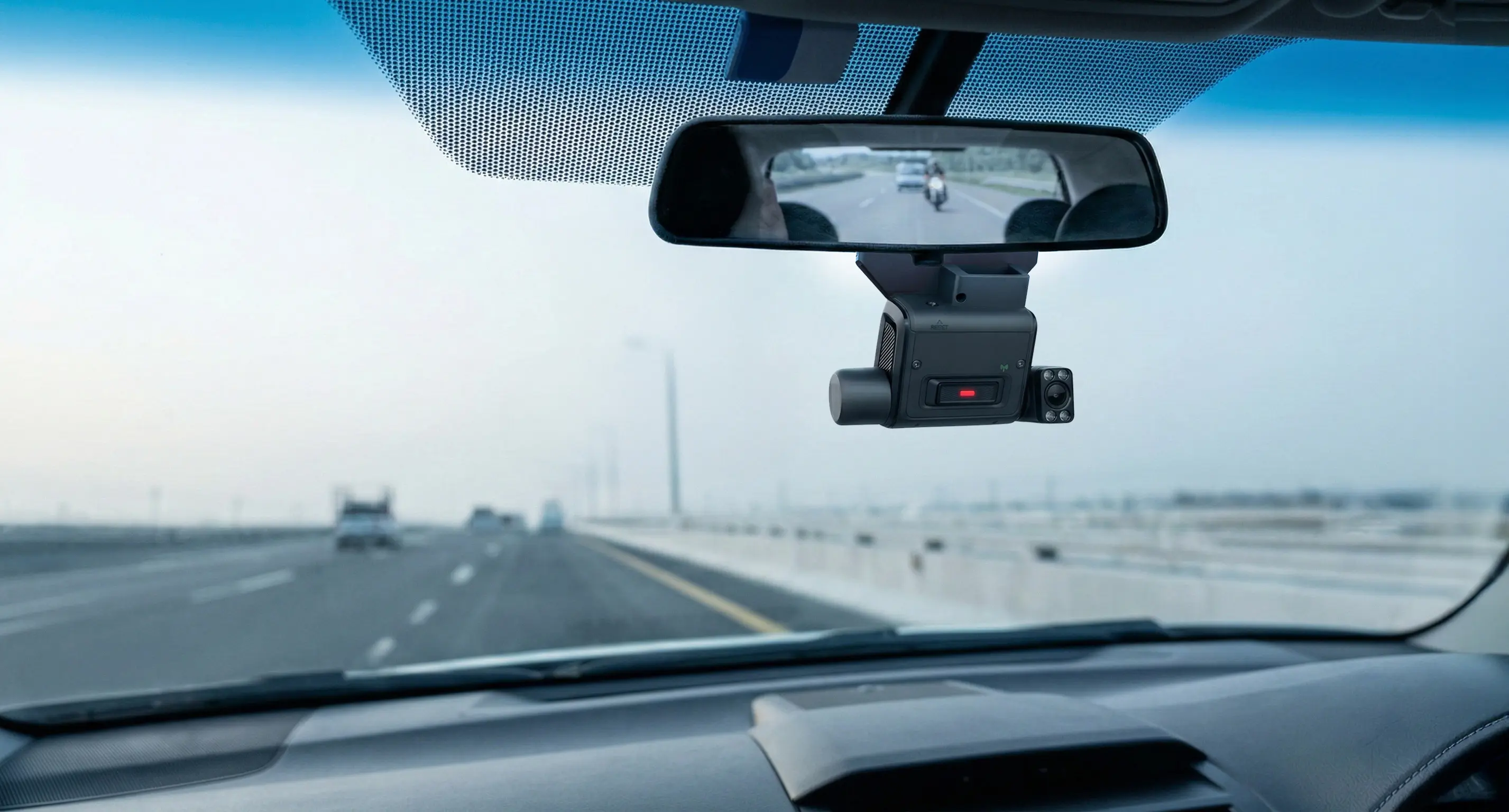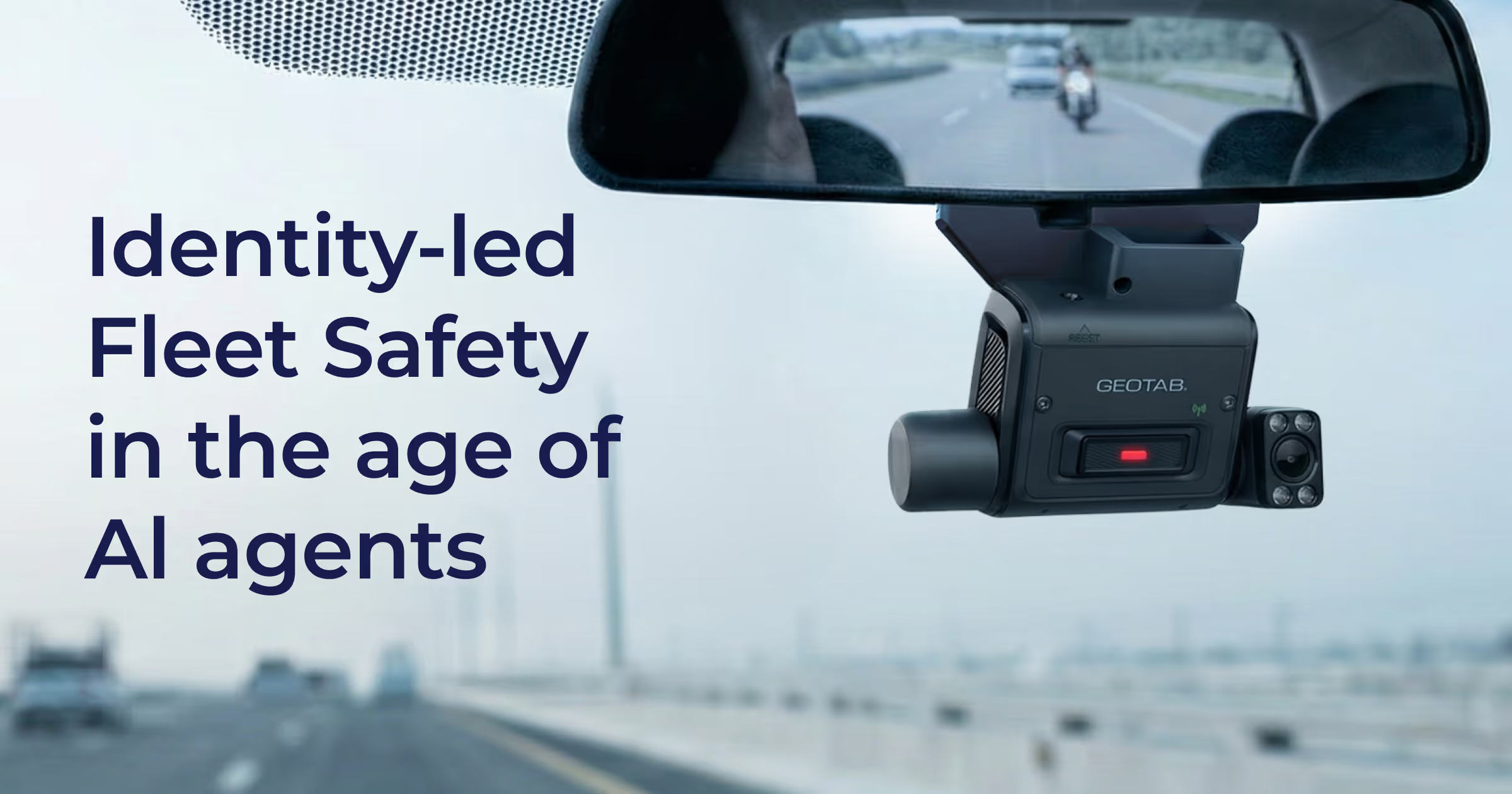

Fleet safety technology has never been better at detecting risk. Modern telematics platforms flag speeding, harsh braking, distracted driving, and fatigue indicators, while in-cab cameras provide context across every journey. The result is a constant stream of safety events flowing into dashboards and portals across Australian fleet operations.
And yet the question most safety managers actually wrestle with isn't "did we capture the event?" It's "what happened after?"
That question sits at the heart of our recently published ABI Research white paper, Identity-Led Fleet Safety in the Age of AI Agents. The report argues that fleet safety no longer has a data collection problem; it has an execution problem. Safety events are captured every day, but too often they remain disconnected from the people, workflows, and actions needed to resolve them.
Where fleet safety ends and lone worker safety begins
Take a scenario familiar across WA mine sites. A haulage truck driver on a rotating roster starts a night shift in a shared vehicle. During the journey, an in-cab camera flags a fatigue indicator. The alert is real, the footage is clear, and the timestamp is accurate. Two things then happen simultaneously: the telematics event sits in a vendor portal waiting to surface during a weekly review, while the same worker arrives on site and begins operating on foot in an environment where cellular coverage doesn't reach and radio is the primary means of communication.
The vehicle safety record stops at the cab. The worker doesn't.
The research identifies this gap consistently across industries. Vehicle safety and lone worker safety typically run on separate systems, managed by separate teams, with no continuous record connecting them. For organisations under WHS obligations and Chain of Responsibility requirements, that creates real compliance exposure, because the obligation to demonstrate due diligence doesn't stop when the driver parks up.
The problem isn't visibility. It's continuity.
The typical organisational response to safety gaps has been to add more tools. A telematics platform handles driving behaviour, a lone worker solution manages check-ins, a case management system records investigations, and email and spreadsheets coordinate the follow-up. The result is usually a collection of systems that each capture data well but don't communicate with each other. A fatigue alert sits in one platform, a missed check-in sits in another, and coaching records exist somewhere else, leaving managers to manually piece together who was responsible and what should happen next.
ABI Research describes this as a breakdown in continuity. The issue isn't whether the data exists; it's whether the organisation can maintain a trusted connection between identity, event, workflow, and outcome.
Why identity matters more than another dashboard
One of the more useful framings in the report is that most organisations don't need another safety platform. They need a better way to connect the ones they already have.
The principle behind identity-led fleet safety is straightforward. Every safety event should be tied to a verified individual from the moment it is captured, and that identity should remain attached as the event moves through the organisation. A connected workflow built on this principle covers the whole chain from identification through to resolution.
- A worker is verified before operating the vehicle
- A safety event is captured and automatically linked to the correct individual
- The relevant manager is notified with the event context attached
- Follow-up actions are assigned and tracked with defined timeframes
- Escalations fire automatically if action isn't taken within the required window
- The outcome is recorded and retained in the organisation's own system of record
Rather than treating alerts as isolated observations, this creates a continuous chain of accountability from event to resolution, with a defensible record available if it's ever needed under CoR or WHS.
Why agentic AI in fleet safety depends on this
There's a reason this matters beyond compliance. As organisations begin exploring AI agents to assist with safety workflows, the quality of the underlying data becomes critical.
An AI agent can review incoming events, prioritise by risk, prepare case information, notify the right manager, and monitor whether actions are completed within required timeframes. But it can only do this reliably if each event is tied to a verified identity. Without it, the agent has no trustworthy basis for determining who should be notified, who is accountable, or which escalation rules apply, and it ends up processing alerts in isolation rather than operating within a governed workflow.
With verified identity at the point of capture, an AI agent can work within defined governance frameworks and support existing business processes while keeping humans responsible for consequential decisions. The ABI Research report is unambiguous on this point. Identity isn't just a safety requirement; it's a prerequisite for any organisation looking to deploy agentic AI in fleet management safely and with appropriate oversight.
Why Microsoft 365 is entering the fleet safety conversation
There's one more finding worth noting, and it's a practical one. Safety actions rarely happen inside telematics platforms. Managers work in Teams, SharePoint, Outlook, and Power Automate, and those are the environments where tasks get assigned, conversations happen, and records are kept.
The research highlights the value of routing identity-linked safety events directly into those systems, rather than asking managers to monitor another dashboard. For organisations already running on Microsoft 365, a fleet safety integration built this way means notifications delivered through Teams with footage and driver context attached, evidence stored in SharePoint within the organisation's own tenancy, escalations managed through Power Automate with defined timeframes, and audit trails maintained in Microsoft's compliance environment rather than a vendor system.
This approach lets fleet safety processes become part of how work gets done day to day, rather than a standalone system competing for attention alongside everything else on a manager's plate.
The connected safety record
The most useful reframe in the ABI Research paper may be the simplest one. The future of fleet safety isn't really about vehicles. It's about maintaining a continuous, trusted record that follows a worker through the day, whether they're behind the wheel, walking a remote mine site, or operating beyond cellular range.
The opportunity isn't collecting more alerts. It's creating a clear, unbroken connection between identity, event, workflow, and outcome, so that when a regulator, investigator, or executive asks what happened after a safety event, the answer is already part of the record.
The full white paper covers the architecture behind all three pillars in detail, exploring in-cab identity capture, workflow automation, and field extension for lone workers and remote operations.