This article was originally published on SMBTech and is republished here with permission.
Source: Your Drivers Aren’t Wrong To Be Suspicious Of Fleet Cameras
This is part one of a two-part series. Read part two: Safety Without Surveillance: Three Fleet Safety Fundamentals.
___
It’s easy to attribute the resistance to misunderstandings and poor messaging. Both can be factors. But often the workers asking hard questions are doing exactly what you’d want them to do. That is, noticing that the rules are changing and asking why.
Telematics Already Crossed Lines
Most fleets were collecting large amounts of data well before cameras arrived. Location, fuel consumption, harsh acceleration, braking and cornering, time on site and idle time were logged, scored and reviewed by managers, often without drivers knowing which events were being flagged or what was being done about them.
The data is, of course, genuinely valuable. Harsh ABCs are leading indicators of crash risk, fuel discrepancy monitoring catches both honest mistakes and occasional fraud and location data is essential for scheduling, dispatch and incident response. The fleets that handle telematics well are those that educate their drivers from the outset. That includes explaining what will be collected, what will trigger a coaching conversation and what will simply be stored. This makes the system feel like a tool rather than a trap.
The fleets that don’t get this right tend to find out, over time, that drivers have stopped trusting the platform and started working around it.
Cameras Raise The Stakes
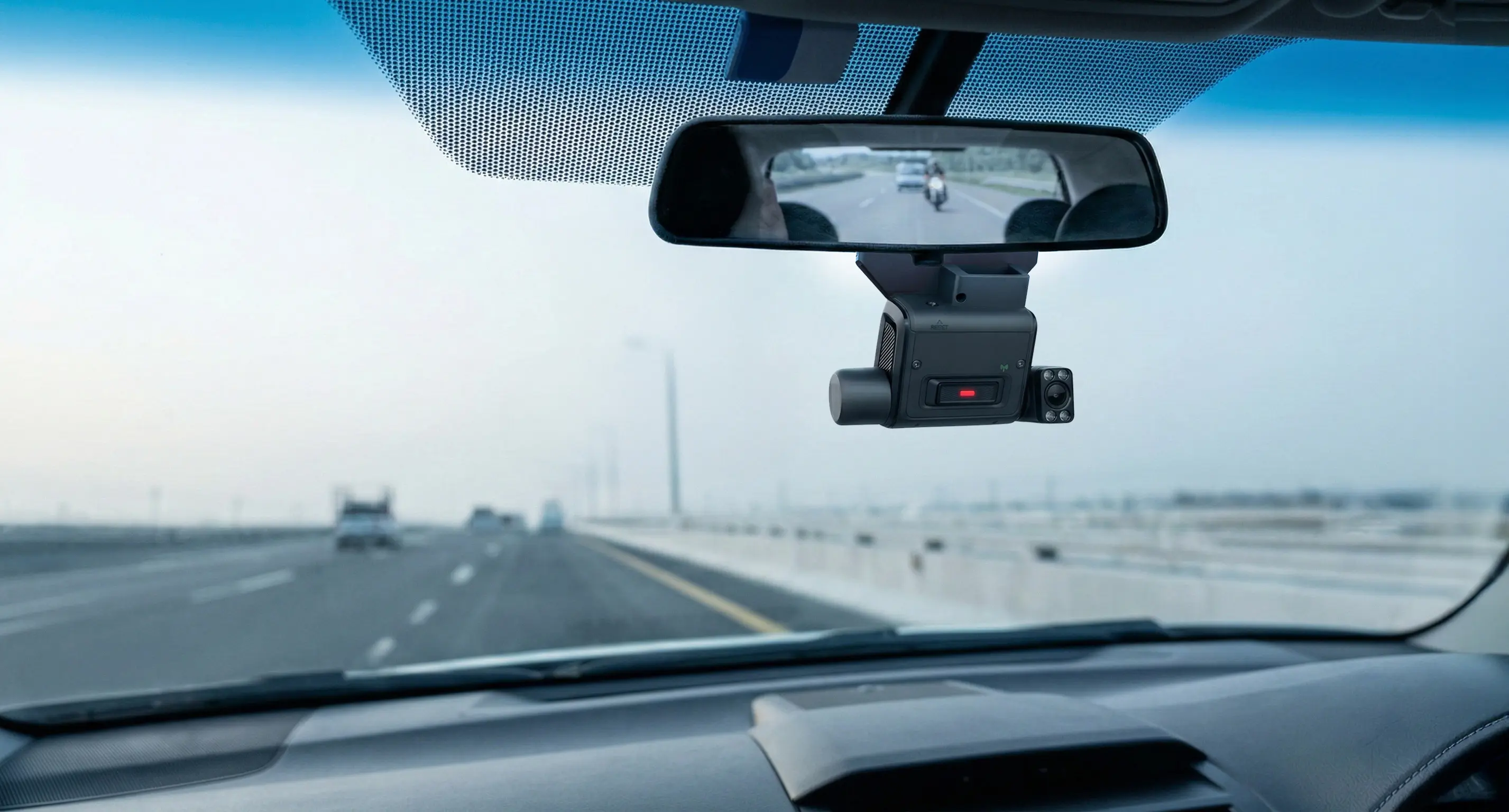
Telematics watch the vehicle but cameras watch the person. That’s a line a lot of drivers aren’t comfortable having crossed unless there’s a clear conversation about why it’s happening.
The conversation that works isn’t complicated. The same footage that records a driver behaving badly is the footage that clears them when someone else causes an accident. In industries where road incidents generate contested claims, that protection can mean the difference between a driver wearing costs unjustly and walking away with their record intact. Most drivers understand that argument when it’s put to them honestly. Unfortunately, all too many don’t have it discussed at all, prior to the cameras appearing in their cabs.
Configuration choices matter just as much as the conversation. Outward-facing cameras may be sufficient if liability protection is the main goal, while inward-facing monitoring is harder to justify unless fatigue or distraction are known risks. Event-triggered recording is more defensible than continuous recording in most contexts and drivers with strong safety records can reasonably be excluded from the more intensive settings. These choices are easier to discuss with workers when they’re presented as decisions the business has made deliberately, rather than as default system settings.
Workplace surveillance legislation also varies by jurisdiction and the specifics around notice, consent and data handling are detailed enough to necessitate legal advice during the planning stage.
Another common pitfall is alert fatigue. If aggressively configured systems flood drivers with in-cab notifications and their managers with event alerts, both groups will eventually stop responding to either. Running a pilot, with thresholds tuned to proposed alert volumes rather than vendor presets, can put paid to this problem.
Where The Data Ends Up Matters Too
Telematics and camera platforms are the right environment for the fleet team, but they aren’t the right environment for everyone else who has a legitimate interest in the data. This cohort may include WHS Managers, Operations Leads, HR and Supervisors.
When safety data is stored in a fleet portal that most of the organisation does not access, the workflows the data should trigger tend to falter. Coaching follow-ups slip, policy acknowledgements are hidden away in spreadsheets and drivers with declining scores don’t receive the timely refresher training they need.
Routing fleet data into the tools the rest of the business already uses, for example, alerts going through Microsoft Teams, acknowledgements tracked in SharePoint and trends sitting in Power BI alongside other operational data, is what makes the difference between a monitoring system and a working safety programme. Bottom line: The technology is only as useful as the workflows built around it.
Paul Maybon is Chief Product Officer at Zetifi