Even when the technology captures everything, the response doesn’t always follow.
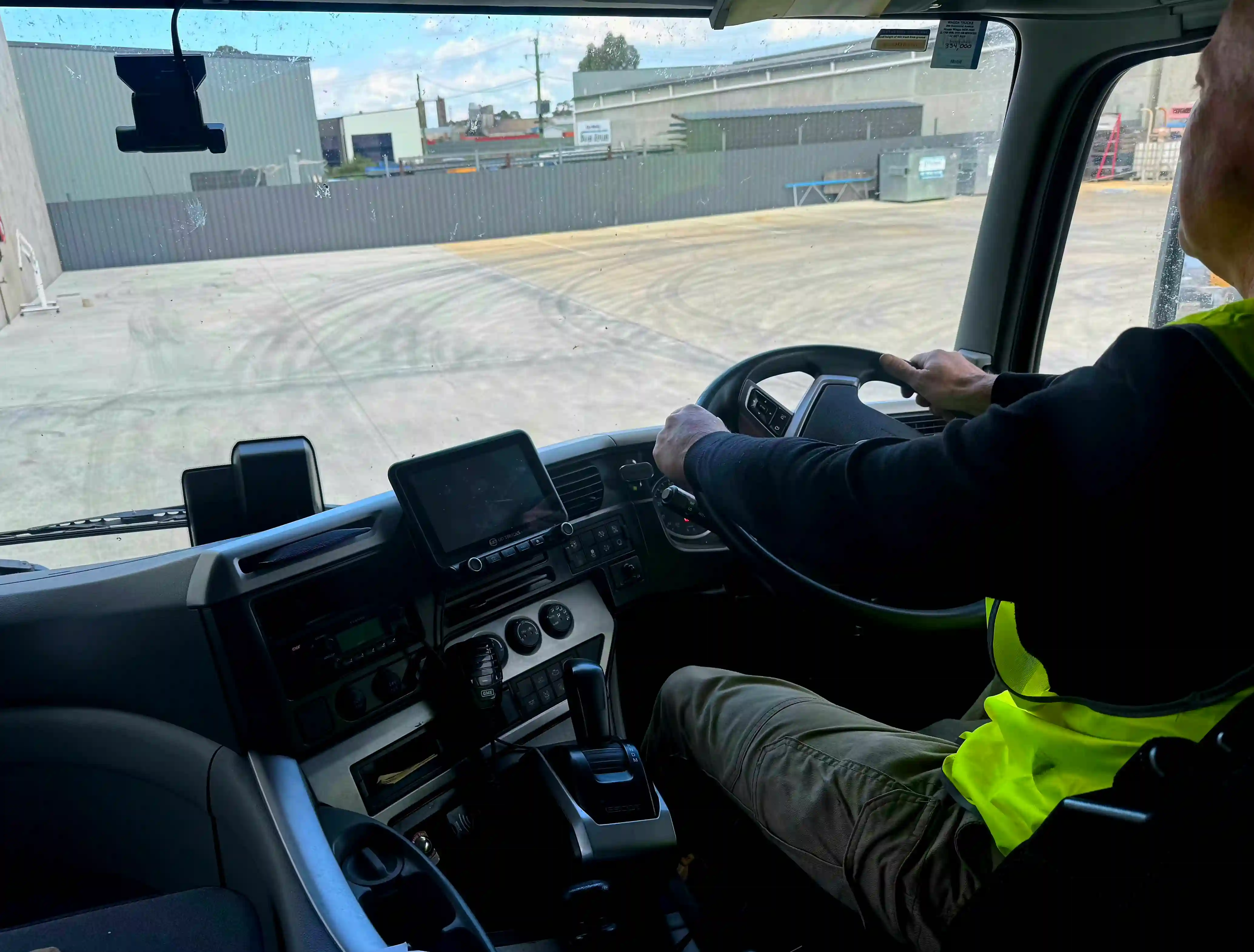
A field services technician from a utilities crew drives out to inspect a substation 80km east of town. Before the vehicle leaves the depot, the telematics system records the check-out, the in-cab camera activates, and everything is logged.
That afternoon, a harsh braking event triggers an alert. Footage from the in-cab camera shows a close call with a reversing excavator on a shared access road; and the alert lands in the telematics portal where it sits.
By the time the safety coordinator reviews it 4 days later, the technician has completed 3 more jobs. A temp hire worker was also assigned to the vehicle that week and nobody can say with certainty who was driving at the time. An email goes out, gets no response, and the event ends up uncoached and unrecorded.
Under WHS and Chain of Responsibility obligations, that event is still on record. The footage exists, the timestamp exists; but what doesn’t exist is a documented response, a named responsible party, and a closed loop. If a regulator asks what the organisation did about it, there’s no good answer.
This scenario plays out across Australian fleets every week, and not just in one industry or one state. In utilities, construction, local government, transport, and field services, wherever vehicles are shared, workers are distributed, and safety systems are generating more alerts than teams can chase down, the same gap surfaces.
Vehicle incidents account for 42 per cent of workplace fatalities in Australia, and most fleets are already capturing the data that could help prevent them, with telematics and camera technology more capable than ever. The harder question is what happens after the alert fires: whether it reaches the right person, triggers a governed response, and leaves a record that something was done about it.
That’s the gap our recently published ABI Research report, Identity-Led Fleet Safety in the Age of AI Agents, sets out to address. The research examines how connecting verified identity to safety events, and routing those events into the workflow systems organisations already use, changes what’s possible on the other side of the alert.
Worth reading if fleet safety, lone worker obligations, or CoR compliance sits anywhere in your remit.