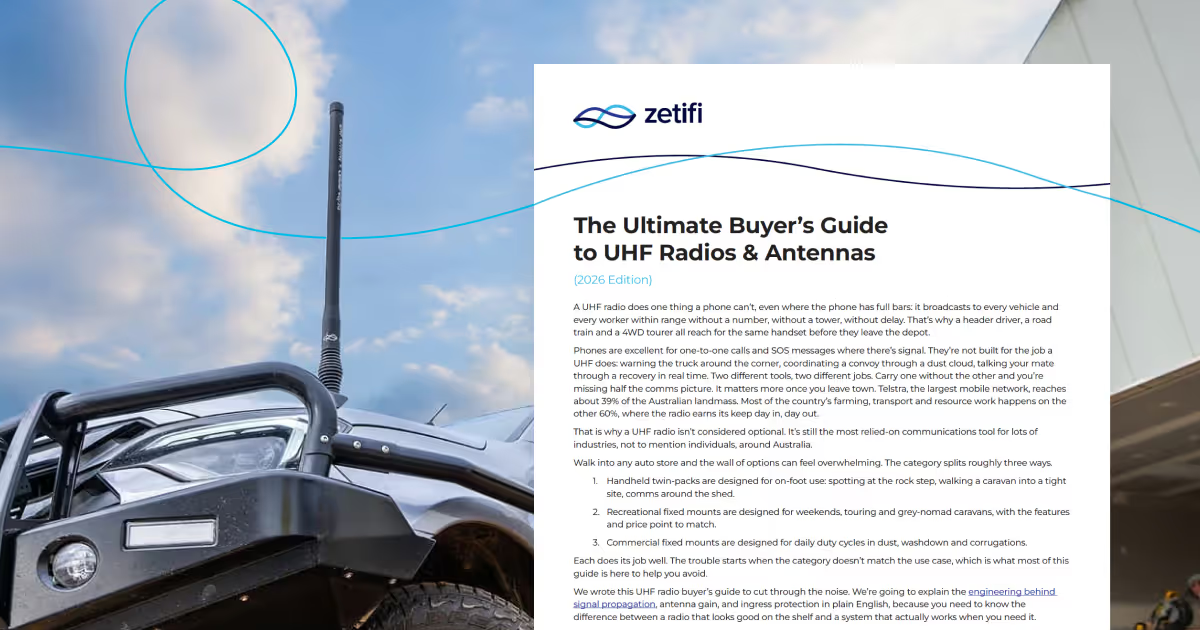
This is Part 3 of 5 in Zetifi's UHF Blog Series — The Ultimate Buyer's Guide to UHF Radios & Antennas (2026 Edition). Part 2 covered handheld vs. fixed mount radios.
If your budget is split between the radio and the antenna, weight it toward the antenna. The radio generates the signal; the antenna radiates it. A high-end radio with an average antenna will underperform a basic radio paired with a well-matched one.
Understanding Antenna Gain: The Torch Analogy
Antenna gain is measured in dBi. "6dBi HIGH GAIN" gets prominent billing on plenty of boxes, but gain doesn't create power — it focuses it. Think of gain like a torch with an adjustable beam: same battery, just a wider or narrower throw.
High Gain Antennas (6dBi+): The Spotlight
- The Shape: A flat, tight pancake of signal. It goes a greater distance but has no height.
- Best For: Flat terrain. The Hay Plain, the Nullarbor, dead-flat highways.
- The Catch: Hit a hill, and that flat beam smacks into the dirt. Tilt your 4WD on a track, and you're shooting signal into space or the ground.
Low Gain (2dBi): The Lantern
- The Shape: A big, round ball of signal. Short reach, but it goes up and down.
- Best For: Blue Mountains, city canyons.
- The Benefit: It climbs out of valleys and talks over ridges. It doesn't care if your vehicle is on a lean.
Medium Gain (3dBi – 5dBi): The Floodlight
- The Shape: A balance. Decent reach, decent height.
- Best For: Most outback travel, scrub country, the Mallee.
- The Reality: A medium-gain antenna is the "set and forget" option for most drivers.
Terrain Dictates Performance
In the high country, if you're in a valley and your mate is over the hill, high gain fails. The narrow beam puts almost no energy at the elevation angles you need to clear the ridge. You need low gain there, where the broader lantern pattern radiates enough power upward and outward to diffract over the hilltop and bounce off the surrounding terrain, working beyond visual line of sight.
For years the solution was carrying two antennas — a short fat stick for hilly terrain and a long fibreglass whip for the flats. Supposedly you'd stop, get out, unscrew the aerial, and swap it over. In reality nobody did that. Drivers left the long whip on because it looked good, drove into the hills, and lost signal.
The Zetifi Solution: One Antenna for All Terrains
Most people won't swap antennas when the terrain changes. So Zetifi built one that doesn't need to.
Zetifi's 3dBi UHF CB Antenna sits in the sweet spot. It gives you the vertical spread needed for hills, tracks and real-world driving, without sacrificing everyday range. One antenna, no guesswork, no swapping.
Everything comes in the pack. No chasing mounts, cables or extras to make it work. It's designed to go straight onto your vehicle and get you connected properly from day one.
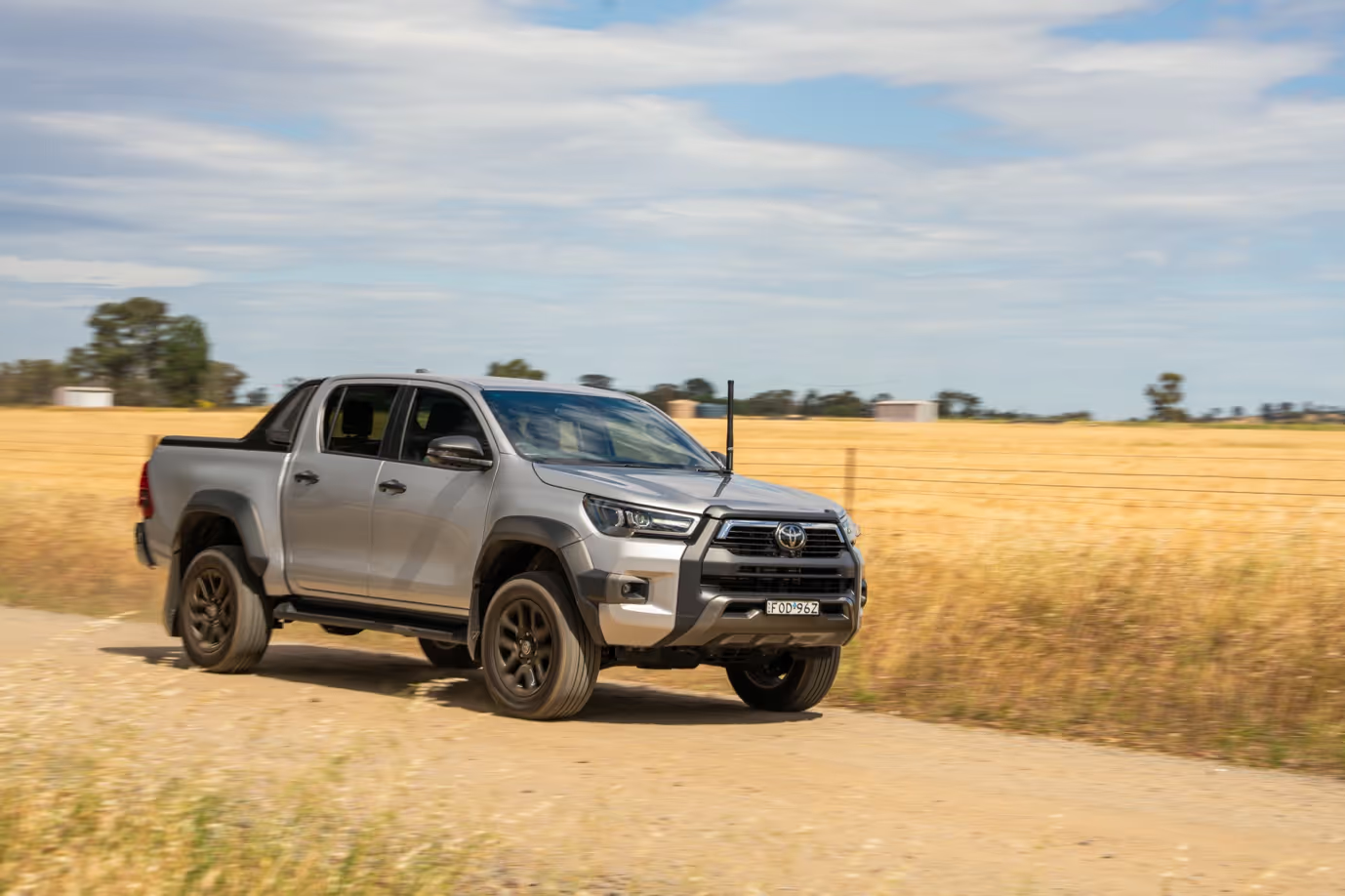
It's also built for modern vehicles — low-profile, bonnet-friendly, matte black finish to reduce glare, and an award-winning design that actually looks like it belongs on a new ute, not bolted on as an afterthought.
The antenna itself is made in Australia and built for harsh conditions. It's IP69K rated against dust and water, backed by a 5-year warranty, and supported by a 90-day performance guarantee. Zetifi tested it over 100,000 km across the Aussie outback to ensure it's rugged enough to handle real use.
In summary: a $600 radio with a bargain antenna is a spotlight with a cracked lens. Get the antenna right first and the rest of the system has something to work with.
Up Next — Part 4: Essential UHF Channels and Etiquette
Great gear is only useful if you know how to use it. In Part 4 we cover the channels every Australian driver needs to know — from Channel 40 on the highway to the emergency channels that are never to be misused.